Kolkata, 4 November 2026: Annantaa, a pioneering mental and emotional wellness centre, highlights the importance of recognising and managing stress in everyday life on the occasion of National Stress Awareness Day. Associated with Carole Spiers, Chairperson of the International Stress Management Association (ISMA UK), the day encourages people and organisations to pause and reflect on how stress affects their lives and how they can manage it better.

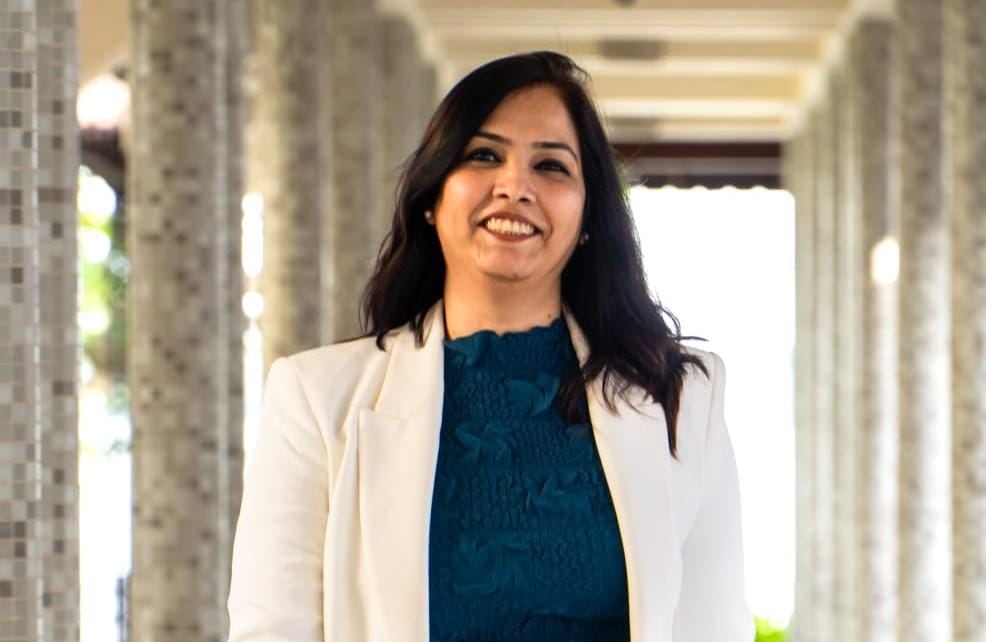
Through its focus on early identification, timely intervention and creating emotionally safe and inclusive environments, Annantaa emphasises that mental well-being should not be an individual’s responsibility alone. Families, educational institutions, workplaces and communities all have an important role to play in creating an environment where people feel understood, supported and comfortable seeking help when they need it.Founded by Ms. Madhuri Sarda, Counselling Psychologist and Clinical Hypnotherapist, Annantaa works towards making mental and emotional well-being a natural part of everyday life. Along with Vidhi Bansal, Co-Founder and Psychotherapist, she believes in the importance of recognising emotional difficulties early, encouraging people to seek support when they need it, and creating spaces where they feel safe to express themselves without fear of judgement. Through their work, the founders aim to make conversations around mental health more open and approachable, helping people understand that seeking help is not a sign of weakness but an important step towards better well-being.The theme for this year, “Shaping the Future of Stress and Wellbeing: Rehumanising the Workplace,” highlights the importance of putting people and their well-being at the centre of professional life. With growing work pressure, changing expectations and the increasing role of technology, workplaces need to look beyond deadlines and productivity and pay attention to how employees feel. A supportive work environment, where people can speak openly, maintain a healthy work-life balance and ask for help without fear of judgement, can make a meaningful difference. Rehumanising the workplace does not mean compromising professional goals; it means recognising that people perform better when they feel valued, respected and supported. For Annantaa, this theme reflects the need to make emotional well-being an integral part of workplace culture rather than treating stress as something individuals must manage on their own.The importance of this year’s theme is also reflected in the World Health Organization’s (WHO) findings on mental health at work. According to the WHO, excessive workloads, long or inflexible working hours, limited control over work, discrimination and inadequate support can all affect mental well-being. These challenges highlight why stress management needs more than individual coping strategies; organisations also need to create healthier and more supportive working conditions. Annantaa emphasises the importance of recognising these concerns early, encouraging open conversations about mental health and ensuring that employees feel comfortable seeking support when they need it. By making well-being a shared responsibility, workplaces can take meaningful steps towards building a healthier, more understanding and sustainable work culture.The scale of workplace stress is a growing concern worldwide, with the World Health Organization (WHO) estimating that depression and anxiety lead to the loss of 12 billion working days every year, costing the global economy approximately US$1 trillion in lost productivity. These figures highlight the importance of recognising mental health concerns early and creating supportive environments where people can seek help. In India, the concern is equally relevant, with Gallup’s State of the Global Workplace: 2026 Report finding that 28% of employees experience significant stress for much of the previous day, while a 2024 UKG Workforce Institute study reports that 78% of employees in India experience some form of job burnout. These findings underline the need for workplaces to look beyond productivity and make employee well-being, manageable workloads and access to appropriate support a greater priority.In West Bengal, research highlights the importance of strengthening mental health awareness and access to timely support. A study published in the Indian Journal of Psychiatry in December 2023, based on the National Mental Health Survey of India 2015–16, estimates that 13.07% of the surveyed population in West Bengal experiences a current mental disorder, compared with the national weighted average of 10.56%. While this study does not provide a Kolkata-specific estimate or measure workplace stress, it offers important regional context for understanding mental health needs. For Annantaa, these findings reinforce the need to make conversations around mental and emotional well-being more accessible, encourage people to seek professional support when needed, and create environments where individuals feel comfortable speaking about their concerns without fear of judgement.Unlike Stress Awareness Month, which is observed throughout April, National Stress Awareness Day offers a dedicated opportunity to talk about stress and encourage people to take practical steps towards managing it. For Annantaa, the day is a reminder that stress should not simply be accepted as a part of everyday life, whether it stems from work, academic pressure, family responsibilities or personal challenges. When left unaddressed, prolonged stress can affect sleep, concentration, relationships and overall emotional and physical well-being. Annantaa therefore emphasises the importance of recognising the early signs of stress, making mental health conversations more open and ensuring that people feel comfortable seeking support without fear of judgement.Speaking on the significance of National Stress Awareness Day and this year’s theme, “Shaping the Future of Stress and Wellbeing: Rehumanising the Workplace,” Ms. Madhuri Sarda says, “Stress has become such a normal part of our daily lives that we often overlook its impact on our well-being. It is important to recognise that behind every professional role is a person with emotions, challenges and individual needs. We need to create workplaces where people feel valued beyond their productivity, where seeking support is encouraged and where mental well-being receives the attention it deserves. At Annantaa, we believe that recognising stress early and encouraging open conversations are important steps towards building a healthier and more compassionate society.” Speaking about the importance of recognising and managing stress, Vidhi Bansal says, “National Stress Awareness Day reminds us that people experience and respond to stress differently, and not everyone finds it easy to express what they are going through. Many continue to deal with emotional exhaustion and constant pressure because they feel they have to manage everything on their own. This is why supportive environments, whether at work, at home or in educational institutions, are so important. Rehumanising the workplace begins with listening without judgement, understanding individual needs and making people feel comfortable asking for help. At Annantaa, we emphasise early identification and timely support so that individuals feel heard and understood before stress begins to take a greater toll on their well-being.”As conversations around stress and mental health continue to gain importance, Annantaa emphasises the need to move beyond awareness and take meaningful steps towards creating a more supportive environment for everyone. Recognising the early signs of stress, encouraging open conversations and making professional support accessible are important steps towards better mental and emotional well-being. Whether at work, at home or in educational settings, people deserve to feel heard, understood and supported without fear of judgement. Through its commitment to early identification, timely intervention and emotionally safe and inclusive environments, Annantaa advocates a more compassionate approach to well-being, where caring for mental health becomes a shared responsibility rather than an individual struggle.
About the Author